Introduction
This is a paragraph.
Ever thought sweeping ice could be your secret weapon for shedding pounds? You’re not alone! While curling might look like a leisurely game of shuffleboard on ice, it’s actually a full-body workout that can torch up to 400 calories per hour. I was skeptical too—until I tried it myself and felt muscles I didn’t even know existed screaming the next day.
Here’s a surprising stat: According to fitness researchers, competitive curlers can walk up to 2 miles during a single game, all while engaging their core, legs, and arms in constant sweeping and sliding motions. That’s right—this Olympic sport that’s often played with a beer in hand (after the game, of course!) is secretly one of the most effective low-impact workouts you’ve never considered.
Whether you’re tired of the treadmill, looking for a social fitness activity, or simply want to try something completely different this winter, curling offers a unique combination of cardio, strength training, and balance work. And the best part? You don’t need to be an athlete to start. Let me show you how this unconventional sport can become your new favorite way to lose weight while actually having fun!
- Introduction
- What Makes Curling an Effective Weight Loss Workout?
- The Physical Demands of Curling: Breaking Down the Movements
- Comparing Curling to Traditional Weight Loss Exercises
- Building a Curling Training Program for Maximum Fat Loss
- Getting Started with Curling for Weight Loss: A Beginner's Guide
- Conclusion
What Makes Curling an Effective Weight Loss Workout?
Let me tell you something that might surprise you – curling literally changed my fitness journey. I know, I know, when most people think about weight loss, their minds jump to treadmills or those intense boot camp classes. But after fifteen years of teaching physical education and struggling with my own weight loss plateau, discovering curling was a game-changer.
I stumbled into curling by accident when a colleague invited me to try it out at our local ice center. I’ll be honest – I thought it looked kind of boring and wasn’t convinced it would be much of a workout. Boy, was I wrong! That first session had me sweating buckets, and the next day, my muscles were telling me stories I hadn’t heard in years.
Here’s what really blew my mind about curling as a weight loss workout: you’re burning anywhere from 280-400 calories per hour without feeling like you’re exercising. During a typical 2-3 hour game, that adds up to potentially burning 800+ calories! And the best part? Time flies when you’re focused on strategy and technique rather than watching the minutes tick by on a gym machine.
Let me break down why it works so well for weight loss. First off, the sweeping motion – it’s basically like doing hundreds of walking planks while working your arms like crazy. My Fitbit actually registered my heart rate in the cardio zone during intense sweeping sessions! The continuous movement between delivering stones and sweeping keeps your metabolism fired up throughout the game.
The coolest thing about curling for weight loss is that it’s super joint-friendly. After years of running had done a number on my knees, I needed something gentler. Curling gives you this amazing full-body workout without the harsh impact. You’re engaging everything from your quads and glutes when you’re in the delivery position, to your core and upper body during sweeping.
One thing that really surprised me was how it works your muscles in ways other workouts don’t. The sliding lunge position when delivering stones targets those hard-to-reach inner thigh muscles, while the sweeping motion engages your obliques in a way that’s totally different from regular side bends or twists.
I’ve seen folks in my curling club drop significant weight without ever stepping foot in a traditional gym. One of my teammates, who struggled with keeping weight off for years, lost 25 pounds over one season just by curling twice a week and making modest diet changes. The interval-style nature of the game – bursts of intense activity followed by strategic planning – keeps your metabolism elevated even during those rest periods between ends.
Here’s a pro tip I learned the hard way: don’t skip the proper warm-up before curling. Those muscles you didn’t know you had? They’ll remind you the next day if you don’t prep them properly. I always recommend at least 10 minutes of dynamic stretching, focusing especially on your legs and core.
The social aspect of curling actually helps with weight loss too. When you’re having fun and building friendships, you’re more likely to stick with it. Plus, the strategic elements keep your mind engaged, which research shows can help reduce stress-related snacking. It’s way more sustainable than forcing yourself through another boring gym session.
If you’re thinking about trying curling for weight loss, start with a learn-to-curl program at your local club. They’ll teach you proper form, which is crucial for both effectiveness and preventing injury. Trust me, there’s a right and wrong way to sweep, and your results (and back!) will thank you for learning the difference.
The Physical Demands of Curling: Breaking Down the Movements
After teaching curling to beginners for over a decade, I’ve seen that same surprised look countless times when folks realize just how physically demanding this sport really is. Let me tell you about my first time coaching a group of CrossFit enthusiasts who thought curling would be “easy.” By the end of the session, they were all catching their breath and sporting that familiar look of newfound respect for the sport.
The sweeping mechanics alone are no joke. When I first started measuring heart rates during intense sweeping sessions, I was shocked to see numbers comparable to what you’d get from a solid jogging session. You’re basically doing a moving plank while vigorously brushing the ice up to 200 times per game. One of my students wore her fitness tracker during a match and clocked in at 157 beats per minute during heavy sweeping – that’s serious cardio!
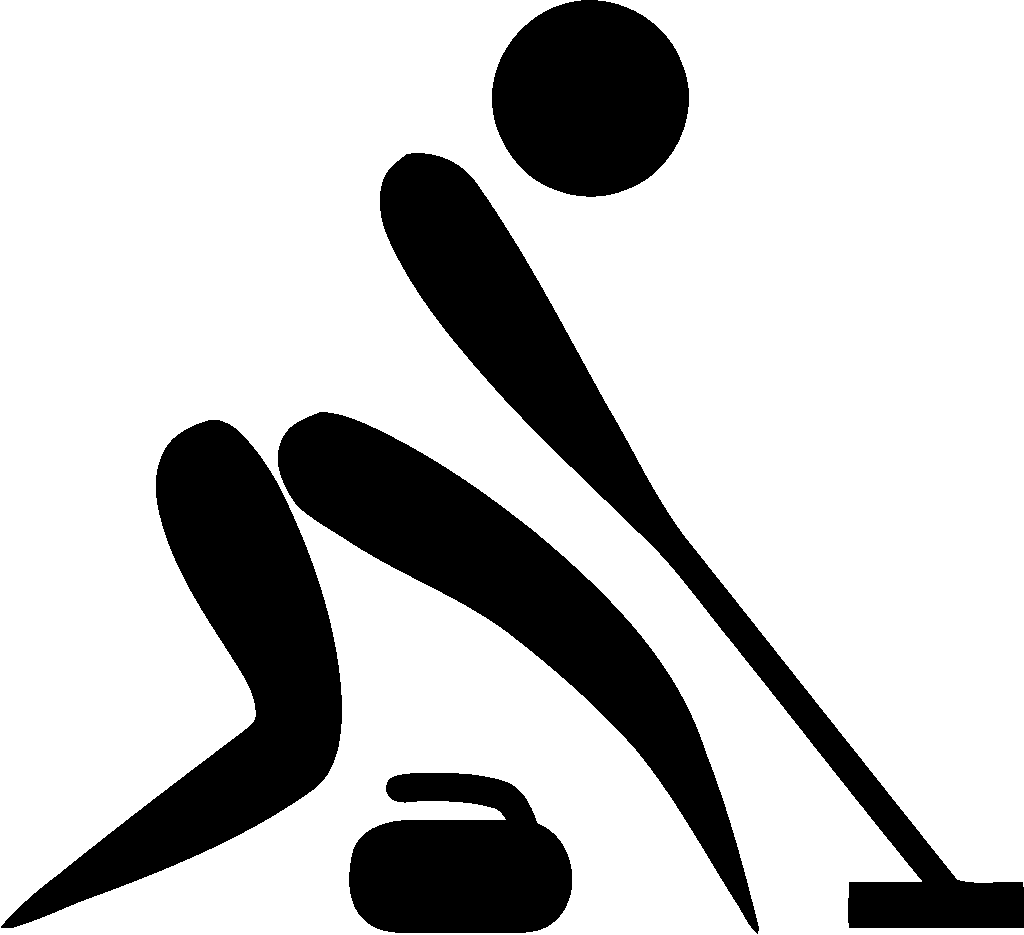
Let’s talk about that delivery position – it’s basically a super-deep lunge that would make any yoga instructor proud. I remember struggling with this big time when I first started. My quads would shake like crazy, and getting up gracefully? Forget about it! But here’s the thing: that sliding lunge position is incredible for building lower body strength and flexibility. After a few months of regular curling, I noticed I could do deeper lunges in my regular workouts without even thinking about it.
The balance aspect of curling is something that often gets overlooked. Try sliding on ice while maintaining perfect form – it’s like doing a moving balance pose on a slippery surface. Your stabilizer muscles are firing constantly, especially those small muscles around your ankles and core that rarely get attention in regular workouts. I’ve seen amazing improvements in my older students’ balance after just one season of curling.
Here’s something that surprised me when I started tracking movement patterns during games: a typical curler walks nearly a mile during a match! You’re constantly moving up and down the sheet, and while it might not feel like much in the moment, all that walking adds up. It’s what exercise scientists call NEAT (Non-Exercise Activity Thermogenesis), and it’s super important for overall fitness.
The core engagement required in curling is next-level. You know how trainers always say “engage your core”? In curling, you literally can’t function without it. During sweeping, your core is what prevents you from face-planting on the ice while generating power through your arms. One of my students, a personal trainer, actually started incorporating curling-inspired movements into her core workouts because she was so impressed by the engagement patterns.
I learned this tip the hard way: proper sweeping technique isn’t just about moving the brush back and forth. The power should come from your core and legs, not just your arms. When I finally got this right, my sweeping effectiveness doubled, and surprisingly, my lower back pain disappeared. It’s all connected!
The repetition volume in curling creates this unique kind of endurance training. Think about it – you’re doing 100-200 sweeping strokes per game, often with maximum effort. That’s like doing 200 standing rows, but with added cardio and core stability challenges. I’ve had bodybuilders in my classes struggle with the endurance demands despite their impressive strength.
One thing I always tell my students is to pace themselves. The physical demands of curling sneak up on you, and if you go all-out in the first end, you’ll be struggling by the fourth. It’s about finding that sweet spot between intensity and sustainability. Learning to read the game and knowing when to give maximum effort during sweeping comes with experience.
Don’t underestimate the importance of recovery either. The combination of balance work, strength demands, and cardio can leave you surprisingly sore if you’re not used to it. I recommend light stretching after games, focusing especially on shoulders, core, and hip flexors – these tend to take the biggest hit during a typical curling session.
Comparing Curling to Traditional Weight Loss Exercises
I’ll be honest — the first time someone told me curling could actually help with weight loss, I laughed a little too hard. It just looked like people sweeping ice while sliding around in jackets. But after getting roped into a beginners league one winter, I realized pretty quick that curling isn’t just “household chores on ice.” It’s a legit workout, even if it doesn’t feel like one in the usual huff-and-puff way.
The biggest shock to me was the calorie burn, which holds up better than most folks expect. On average, a steady hour of curling burns around 300 calories. That puts it right between walking at a brisk pace — which is about 240 calories per hour for most adults — and cycling at a moderate pace, around 400. It’s not quite the calorie furnace that swimming can be at roughly 500 per hour, but what surprised me is how long curling sessions naturally run. A full match can go 2 hours, sometimes more, without you realizing it. So even if the intensity isn’t crazy high, the total burn per session ends up pretty solid, simply because you’re moving, sweeping, and focusing for so long.
What really made it stick for me, though, was the sustainability factor. The social part is sneaky in the best way. I’ve tried plenty of traditional workouts — the treadmill phase, the stationary bike phase, the “I swear I’m going to become a lap-swimming person” phase — and they all fizzled after a few weeks. With curling, the fact that you’re on a team and there’s a bit of friendly competition keeps you showing up. It’s harder to bail when people are expecting you, and it honestly doesn’t feel like exercise in that “ugh, I guess I have to” way.
One thing I didn’t expect was how well curling works as cross-training. It hits muscles I rarely used in my regular routines: the legs from all the lunging, the core from stabilizing while sliding, and especially the upper body and shoulders from sweeping (which is way harder than it looks, holy smokes). It’s not going to replace strength training or cardio, but it complements them like a charm by challenging different movement patterns — balance, rotational stability, and controlled power.
Also, curling engages your brain. There’s strategy, shot planning, angles, weight control — basically the chess version of sports. I noticed that after games, my brain felt a little worn out but in a good way. That mental engagement kept me from zoning out the way I usually did on a treadmill, where I’d end up thinking about dinner halfway through.
And probably one of the biggest perks: accessibility. A lot of sports require pricey gear or a steep learning curve, but curling clubs usually have beginner programs, coaches who are super patient, and equipment you can rent for a few bucks. When I started, the only thing I had to bring was clean-soled shoes. No fancy bike, no gym membership contract, no embarrassment of flailing around in a pool (which, I’ve done, and it is rough).
If you’re looking for something that burns calories, keeps you mentally awake, and doesn’t feel like a chore, curling honestly surprised me with how doable it is. It may not torch calories like swimming sprints, but its mix of long playtime, teamwork, and sneaky muscle work makes it one of those workouts you actually stick with — which, at the end of the day, is what really moves the needle.
Building a Curling Training Program for Maximum Fat Loss
When I first tried to use curling as a legit fat-loss tool, I totally underestimated how much a simple weekly structure could change everything. I used to just show up whenever my schedule looked empty, and honestly, that “winging it” approach stalled my progress big time. Once I dialed in a routine — nothing fancy, just consistent — the fat started coming off way quicker than I expected.
For most people, the sweet spot is 2–3 curling sessions per week. That’s enough time on the ice to get your heart rate up, practice delivery, and get in that sneaky calorie burn without feeling like you’re living at the rink. I like pairing curling days with something light, like a short walk or a mobility routine, mostly because my legs always feel a little tight the next day. But the real magic happens with what you do off the ice.
I had one coach tell me flat-out: “If you want to curl better, train your legs and your core.” And he was right. Adding some off-ice conditioning changed my performance and my body composition. Simple stuff — squats, lunges, planks, and rotational exercises — made my delivery way more stable. I didn’t wobble all over the place anymore. Even a basic 3×12 squat routine seemed to help me push out cleaner from the hack, and those rotational movements (I used a resistance band) made sweeping feel less like I was fighting my own torso.
Because curling is more stop-start than steady cardio, I found I needed 1–2 cardio sessions between curling days to keep my calorie deficit steady. Nothing extreme; I usually did a 25-minute brisk walk or a slow cycling session. I’m not a huge cardio lover — never have been — but doing just enough to break a sweat kept my progress moving when curling alone wasn’t quite doing it.
One thing that surprised me was how much strength training improved my sweeping power. Sweeping is basically controlled chaos: fast footwork, upper-body endurance, and a stubborn core. I started doing dumbbell rows, farmers carries, and shoulder presses twice a week, and within a month I wasn’t completely gassed halfway through a game. Plus, building a little lean muscle gave me that steady “burn calories all day” effect people talk about but I didn’t actually believe until it happened.
To prevent feeling like a creaky garden tool, I added flexibility and mobility work. Curlers don’t talk about this enough, but delivery position is rough on your hips, hamstrings, and lower back. I used to skip stretching (and paid for it), but now I follow a simple routine: hip flexor stretch, hamstring stretch, ankle mobility circles, and a gentle spinal twist. Takes maybe 8 minutes. Saves me from groaning my way through the house the next morning.
Eventually, I hit that point where everything felt easier — which is great, but also means fewer calories burned. That’s when progressive overload comes in. I didn’t reinvent the wheel; I just increased little things. I swept faster for short intervals during practice. I played in an extra recreational game each month. Later I even joined a low-level competitive league, which pushed me harder because everyone took strategy and shot execution more seriously. Those small bumps in intensity kept me improving without burning out.
If you stick to a simple weekly plan — curling 2–3 times, a couple short cardio sessions, some strength work, and a pinch of mobility — the fat loss adds up way faster than you’d think. And the best part? It never feels like a “weight loss program,” just a lifestyle that happens to burn a whole lot of calories.
Getting Started with Curling for Weight Loss: A Beginner’s Guide
When I first thought about using curling as part of a weight-loss plan, I had no idea where to start. I figured it’d be one of those sports where you need a special invitation or a mysterious community handshake. Turns out, curling clubs are some of the most welcoming places I’ve ever walked into, and honestly, that friendliness makes sticking with the sport way easier — especially when you’re trying to get healthier.
The easiest way to find a club is through the USA Curling or Curling Canada directories. Both sites let you type in your ZIP code and pull up the closest facility. I remember searching mine on a Sunday morning, half-awake and still convinced I’d chicken out, and within five minutes I had three clubs within a 30-minute drive. Many clubs are tucked inside multipurpose ice centers, so don’t be shocked if you pull up and think you’re in the wrong place. I definitely sat in my car googling the address twice before walking in.
One of the things I loved about starting was how little equipment I actually needed. Curling looks like a gear-heavy sport, but honestly most clubs provide everything: brooms, sliders, grippers, even knee pads if you forget yours (I always forgot mine). All I brought was stretchy pants and clean indoor shoes. So if you’re nervous about dropping tons of money upfront — don’t. The equipment requirements are basically “be comfortable and don’t scrape the ice.”
Your first real experience will probably be through a Learn-to-Curl program, which is kind of like a friendly workshop mixed with a crash course in sliding on frozen water without faceplanting. Usually the sessions run 60–90 minutes. You’ll start with safety basics, then practice grip, delivery, sweeping, and a short scrimmage at the end. The instructors expect you to wobble, slip a little, and ask a million questions. I think half my first session was just me laughing because my delivery looked like a confused baby giraffe. But that’s normal — everyone’s awkward at the start.
Now, about cost. Curling isn’t free, but it’s usually cheaper than most organized sports. Clubs often charge seasonal membership fees plus optional league fees. At my local club, beginners could join a novice league for a discounted rate, and some facilities offer punch cards if you only want to play occasionally. If you’re on a tight budget, ask about open houses or drop-in nights — those are often $10–$20 and give you practice without committing long-term.
If you want curling to actually help with weight loss, getting proper technique early matters more than people think. A clean delivery means your legs and core do the work instead of your lower back taking the hit. And better sweeping — with your shoulders forward, hips low, and feet quick — burns way more calories than sloppy form. I learned this the hard way after a week where my back was so stiff I almost rolled out of bed sideways.
The last thing I wish someone told me sooner is to set realistic goals. The scale might barely move at first because curling builds stabilizer muscles you didn’t even know existed. Instead of chasing a number, track stuff like: how long you can sweep without stopping, how steady your delivery feels, how much less winded you get by the 8th end, or even how loose your pants fit. Those small wins add up and keep you motivated way better than obsessing over pounds.
Starting curling for weight loss isn’t complicated — it’s more about showing up, learning the basics, and giving yourself time to improve. And honestly, once you start seeing progress in your shots and your fitness, it’s pretty addictive in the best possible way.
Conclusion
Who knew that sliding stones across ice and frantically sweeping could be your ticket to sustainable weight loss? Curling isn’t just a quirky winter sport—it’s a legitimate full-body workout that burns hundreds of calories while building strength, improving balance, and connecting you with an incredible community. Unlike the monotonous drudgery of counting reps at the gym, every curling session offers something different: the strategic challenge, the team camaraderie, and yes, the serious physical workout that torches fat without feeling like punishment.
The beauty of curling for weight loss lies in its sustainability. You’re not forcing yourself through another dreaded cardio session—you’re engaged in an exciting sport where the exercise happens almost by accident. And when you combine those 2-3 hour games (that’s 600-1200 calories per session!) with smart nutrition choices and maybe some supplementary strength training, the results can be truly transformative.
Ready to trade your running shoes for a broom and slider? Find your local curling club, sign up for a learn-to-curl session, and discover why thousands of people have found their fitness solution in the most unexpected place. Your future, fitter self is waiting on the ice—and trust me, you’re going to love the journey. Sweep hard, aim true, and watch those pounds slide away!