Introduction
This is a paragraph.
Want to know the secret to losing weight without dreading your workout? Here’s a game-changer: floorball players can torch between 600-800 calories in just one hour of play! That’s more than running, cycling, or most traditional gym workouts—and it’s actually fun.
I’ve seen countless people abandon their weight loss goals because they’re stuck on boring treadmills or doing the same repetitive exercises. But what if I told you there’s a fast-paced, exhilarating sport that feels more like playing than exercising? Enter floorball—the dynamic team sport that’s taking fitness communities by storm. Unlike monotonous cardio sessions, floorball combines high-intensity intervals, strategic thinking, and social interaction into one powerful calorie-burning package. Whether you’re a complete beginner or looking to shake up your fitness routine, this guide will show you exactly how to use floorball as your secret weapon for sustainable weight loss!
- Introduction
- What Is Floorball and Why Is It Perfect for Weight Loss?
- How Many Calories Does Floorball Actually Burn?
- Getting Started: Floorball Training for Beginners Focused on Weight Loss
- Floorball Drills and Exercises That Maximize Calorie Burn
- Floorball vs. Other Sports for Weight Loss: Making the Comparison
- Conclusion
What Is Floorball and Why Is It Perfect for Weight Loss?
Let me tell you, discovering floorball was a total game-changer in my fitness journey. After years of dreading the treadmill and forcing myself through boring workout routines, I stumbled across this amazing sport at my local rec center, and I’ve been hooked ever since.
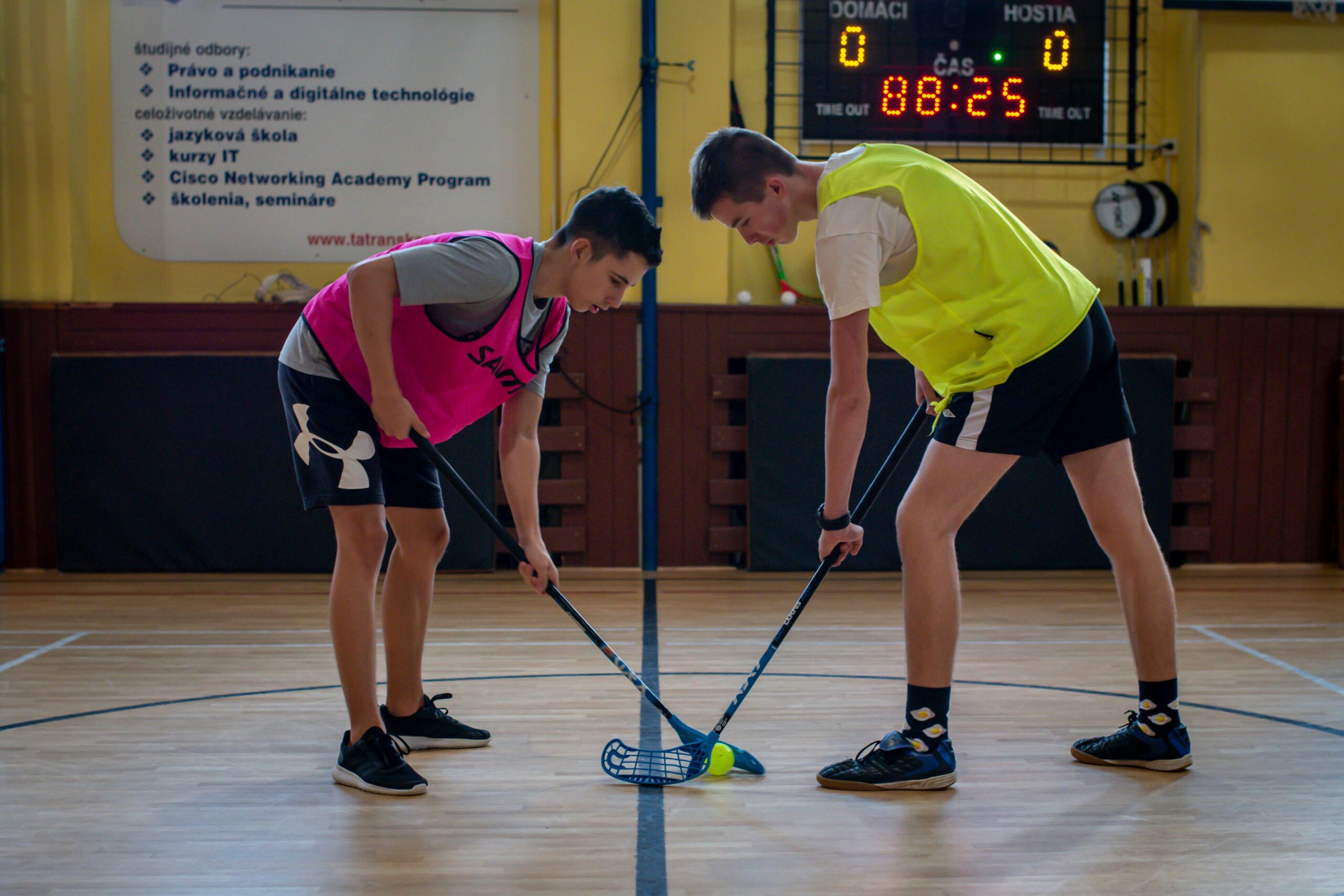
Think of floorball as indoor hockey’s friendly cousin. It’s played with lightweight sticks and a plastic ball, which honestly had me skeptical at first. Like, how intense could it really be? Boy, was I wrong! During my first game, I was huffing and puffing after just 10 minutes, but having so much fun I barely noticed.
The science behind why floorball is such a killer workout is pretty fascinating. According to sports research, a 150-pound person can burn anywhere between 500-700 calories per hour playing floorball. That’s more than jogging (about 400 calories) and similar to basketball! The constant starting, stopping, and direction changes create this perfect HIIT-style workout without feeling like you’re doing intervals.
Here’s what really blew my mind about floorball for weight loss – it works your entire body in ways you don’t expect. Your legs are constantly moving as you navigate the court, your core stays engaged for balance and quick turns, and your upper body gets a serious workout from stick handling and shooting. During my first few weeks, I discovered muscles I didn’t even know existed!
I remember struggling with traditional exercise because I’d get bored and quit after a few weeks. But floorball? It’s literally impossible to get bored. Every game is different, and you’re so focused on the ball and gameplay that you forget you’re exercising. That’s been key for me sticking with it – when exercise feels like play, you actually want to do it.
One of the coolest things about floorball is how accessible it is for different fitness levels. When I started, I was seriously out of shape and worried about keeping up. But the beauty of the sport is that you can modify your involvement. You might start by focusing on positioning and basic passing, then gradually increase your intensity as your fitness improves. The plastic ball and lightweight stick also make it much less intimidating than traditional hockey.
Pro tip: If you’re just starting out, focus on mastering the basic grip and wrist shot before trying fancy moves. I spent my first month just practicing passing against a wall, and it made such a difference when I actually started playing games. The proper technique will help prevent injuries and make the workout more effective.
I’ve dropped 23 pounds since starting floorball eight months ago, but more importantly, I’ve kept it off. The game naturally creates interval training patterns – sprinting after the ball, quick recovery while positioning, then sprinting again. This type of exercise is proven to boost your metabolism for hours after playing.
Want to know the real secret sauce? Floorball’s social aspect. Playing with others keeps you accountable and motivated. Those 6 AM practice sessions are way easier to make when you know your teammates are counting on you. Plus, the community aspect helps reduce stress, which we all know can impact weight management.
If you’re thinking about trying floorball for weight loss, start with twice a week and gradually build up. Your body will need time to adjust to the new movement patterns. Trust me, your muscles will thank you for the gradual approach – I learned that one the hard way after trying to play five days straight in my initial enthusiasm!
Remember to stay hydrated during games. The fast-paced nature of floorball means you’re losing more water than you might realize. I always bring at least 32 ounces of water to each session. And don’t forget to fuel your body properly before and after – this isn’t just exercise, it’s a legit sport that demands proper nutrition.

How Many Calories Does Floorball Actually Burn?
After tracking my floorball workouts religiously for the past year, I’ve gathered some pretty eye-opening data about calorie burn. Let me break down exactly what I’ve learned from wearing my fitness tracker during countless games and consulting with sports physiologists.
First off, let’s get super specific about the numbers. In casual pickup games, where you’re learning the ropes and taking regular breaks, you’re looking at burning 400-500 calories per hour. But here’s where it gets interesting – in competitive games, where you’re constantly moving and battling for the ball, that number jumps to 700-900 calories per hour. That’s not just my experience; research from Swedish sports scientists backs this up.
Your body weight plays a huge role in the calorie-burning equation. For every 10 pounds above 150, you’ll burn roughly an additional 50 calories per hour during gameplay. I discovered this firsthand when tracking my progress – as I lost weight, I had to work a bit harder to achieve the same calorie burn.
Position matters more than you might think. Through my tracker data, I noticed I burned about 15% more calories playing as a forward compared to when I played defense. Centers typically burn the most calories because they’re constantly moving up and down the court. During one tournament, my center position games averaged 827 calories per hour!
Here’s a comparison that really puts things in perspective:
- 1 hour of floorball (competitive): 700-900 calories
- 1 hour of running (6 mph): 600-700 calories
- 1 hour of swimming: 500-600 calories
- 1 hour of basketball: 600-700 calories
- 1 hour of gym workout: 400-600 calories
But here’s what really got me excited – the afterburn effect. After tracking my calorie burn for several hours post-game, I noticed I was burning an extra 100-150 calories above my normal resting rate. This effect, technically called EPOC (Excess Post-exercise Oxygen Consumption), can last up to 24 hours after an intense floorball session.
When I started playing floorball twice a week, I noticed measurable weight loss after about three weeks. The math checks out: if you’re burning around 800 calories per session, that’s 1,600 calories per week, or roughly half a pound of fat loss potential just from floorball alone. Of course, I had to keep my eating habits in check too – no undoing all that hard work with post-game pizza binges!
For tracking progress, I’ve tried several methods, but found the combination of a chest strap heart rate monitor and the Polar Beat app to be the most accurate for floorball. Wrist-based trackers tend to struggle with the quick arm movements in floorball. The chest strap showed my heart rate typically hovering between 140-175 BPM during games, putting me right in that sweet spot for maximum calorie burn.
Pro tip: If you’re serious about tracking your floorball calorie burn, invest in a good heart rate monitor. Those wrist-based fitness trackers aren’t great at catching the quick movements in floorball. Trust me, I wasted money on two different ones before figuring this out.
One thing that surprised me was how the intensity naturally increased as I got better at the game. When I first started, I burned around 400 calories per hour because I was still learning positioning and basic skills. Now, even in casual games, I rarely burn less than 600 calories because I’m more involved in the play and move more efficiently.
For beginners wondering about weight loss timelines, here’s what I’ve observed: playing floorball 2-3 times per week, combined with moderate eating habits, typically results in 1-2 pounds of weight loss per week. The key is consistency – those calories add up over time, and the fun factor of floorball makes it much easier to stick with than traditional exercise programs.
Getting Started: Floorball Training for Beginners Focused on Weight Loss
When I first decided to try floorball for weight loss, I was totally overwhelmed by all the information out there. Let me share what I learned the hard way, so you can skip the confusion and get right to the good stuff – burning those calories while having a blast!
First things first – let’s talk equipment without breaking the bank. You don’t need to go all-out when you’re just starting. A basic floorball stick will run you about $30-45, and that’s really all you need to begin. I made the mistake of buying a fancy $120 stick right away, which was completely unnecessary for a beginner. For shoes, any decent pair of indoor court shoes will work fine – I used my old volleyball shoes for the first few months.
Finding a place to play was tricky at first, but I discovered most cities have floorball groups on Facebook or Meetup. The International Floorball Federation’s website also has a club finder tool that’s super helpful. Pro tip: look for groups that specifically mention “beginner-friendly” or “all skill levels welcome.” My first group was like this, and it made such a difference in feeling comfortable while learning.
Let me tell you about my first training session – talk about an eye-opener! I showed up wearing way too many layers (rookie mistake) and was drenched in sweat within 10 minutes. Here’s what I wish I’d known: wear light, breathable clothes, bring twice as much water as you think you’ll need, and eat a light meal about 2 hours before playing.
When it comes to basic skills, here’s the progression that worked best for me:
- Week 1-2: Focus on grip and basic ball control (30 minutes daily practice)
- Week 3-4: Add in passing against a wall (45 minutes practice)
- Week 5-6: Start working on basic wrist shots
- Week 7-8: Begin learning defensive positioning
The biggest game-changer for my weight loss journey was structuring my workouts properly. Through trial and error, I found that 60-minute sessions, three times a week, was the sweet spot. Any more than that and I wasn’t recovering properly; any less and I wasn’t seeing the results I wanted.
Here’s what my beginner workout structure looked like:
- 10-minute dynamic warm-up (crucial for preventing injuries!)
- 15 minutes of skill work
- 30 minutes of game play or drills
- 5 minutes of cool-down stretching
Speaking of mistakes – oh boy, did I make some doozies! The worst was trying to keep up with experienced players right from the start. I ended up with sore muscles that took days to recover. Now I know that progression is key. Start at about 50% intensity and add 10% each week as your body adapts.
Another mistake I see beginners make is poor stick handling form. Keep your knees bent and core engaged – this not only improves your game but also maximizes calorie burn and prevents back strain. I learned this from a physical therapist after developing lower back pain from playing with straight legs for two weeks.
Recovery is something I totally underestimated at first. Playing every day seemed like it would speed up my weight loss, but it actually slowed it down because my body never had time to rebuild. Now I always take at least one day off between sessions, and I’ve seen much better results.
For tracking progress, I started taking photos every two weeks and keeping a simple workout journal. Nothing fancy – just noting how long I played, how intense it felt (on a scale of 1-10), and my energy levels. This helped me identify patterns and adjust my training accordingly.
Here’s a practical tip that made a huge difference: practice ball control while watching TV at home. Even 15 minutes of stick handling practice daily will improve your game dramatically, and yes, it burns calories too! I burned an extra 75-100 calories per day just doing this.
Remember, the goal isn’t to become a pro player overnight – it’s to build a sustainable exercise habit that helps you lose weight. Focus on small improvements each session, celebrate the little victories, and most importantly, have fun with it. The weight loss will come naturally when you’re enjoying the process.
Floorball Drills and Exercises That Maximize Calorie Burn
After experimenting with countless drills and tracking their effectiveness, I’ve put together a collection of the most calorie-torching floorball exercises that actually work. These aren’t just random drills – they’re specifically designed to keep your heart rate elevated while improving your game.
Let’s start with sprint intervals, which consistently give me the highest calorie burn. My favorite is the “W” drill: Set up five cones in a W pattern, about 5 meters apart. Sprint between them while controlling the ball, then backpedal to the start. I typically do 6 reps, rest for 45 seconds, and repeat 4 times. My heart rate monitor shows this burns about 100-120 calories in just 10 minutes!
The game-changer for me was discovering plyometric movements. Adding explosive elements to regular floorball drills absolutely cranks up the intensity. Here’s one I created that’s brutally effective: Start with a lateral bound, immediately transition into a shot, then sprint to collect your ball. Do this 10 times on each side. Fair warning – the first time I tried this, my legs felt like jelly the next day.
When it comes to stick handling circuits, I’ve found that continuous motion is key. One drill that’s been incredibly effective is what I call the “Figure 8 Burner.” Set up two cones about 3 meters apart, and continuously weave the ball in a figure-8 pattern while moving your feet. The trick is to never stop moving – even small steps keep your heart rate up. Three minutes of this burns roughly 35-40 calories!
Small-sided games are absolute gold for weight loss. Here’s why: in a 3v3 format, you’re constantly moving and touching the ball. I tracked my steps during various game formats, and 3v3 gave me almost twice the movement of regular 5v5 play. My favorite setup is 3-minute games with 1-minute rest periods. It’s like built-in HIIT training!
Here’s a breakdown of my go-to 45-minute high-intensity workout:
- 10 min: Dynamic warm-up with ball control
- 5 min: W-pattern sprints
- 8 min: Plyometric shooting circuit
- 12 min: 3v3 continuous games
- 8 min: Figure 8 stick handling
- 2 min: Cool down
For defensive slides and transitions, I learned an amazing drill from my coach. Start at center court, defensive slide to the boards, sprint forward 5 meters, backward 5 meters, then slide back to center. Do this for 45 seconds, rest for 15. Five rounds of this has my fitness tracker showing 80-90 calories burned!
The shooting drill that’s given me the best results combines movement with high volume. Set up three balls at different points around the goal. Sprint to each one, take a shot, then immediately move to the next. The key is to never stop moving between shots. When I do this for 10 minutes straight, I typically burn 100-120 calories.
One mistake I made early on was doing these drills with poor form just to get through them. Trust me, proper technique not only prevents injury but actually increases calorie burn because you’re engaging the right muscles. Take video of yourself if you can – I was shocked to see how much I was cheating on my defensive slides until I watched myself.
Here’s a pro tip that revolutionized my training: use a timer app that lets you program intervals. I use Tabata Timer, which lets me set up my entire workout in advance. This keeps me honest about rest periods – no more “just one more minute of rest” that turns into five!
For beginners, I recommend starting with modified versions of these drills. For example, do the W-pattern walking first, then jogging, before attempting sprints. I learned this the hard way after trying to go all-out in my first session and being too sore to train for three days.
The beauty of these drills is how they combine skill development with serious calorie burn. According to my tracking over six months, this workout routine burns between 450-600 calories per session, depending on intensity. That’s significantly more than when I was just participating in regular practice sessions.
Remember to stay hydrated – I keep a water bottle at each end of the court and take quick sips between drills. And don’t skip the warm-up! These drills are intense, and cold muscles are injury-prone muscles. I always do at least 10 minutes of dynamic stretching and light ball work before starting the hard stuff.
Floorball vs. Other Sports for Weight Loss: Making the Comparison
After trying practically every workout under the sun for weight loss, I’ve got some interesting insights about how floorball stacks up against other popular options. Let me share some real numbers and experiences that might surprise you as much as they surprised me.
Let’s start with running, since that’s what most people try first for weight loss. I used to be a dedicated runner, logging miles on the treadmill while watching the calorie counter tick up. Running typically burns about 600 calories per hour at a 6 mph pace. Here’s the kicker – floorball burns 700-900 calories per hour in competitive play, and it’s so much easier on your joints! My knees used to ache after running, but with floorball, the quick directional changes actually helped strengthen my joints rather than wear them down.
Basketball has always been my other go-to sport, and it’s actually pretty similar to floorball in terms of movement patterns. Both sports burn roughly the same calories (600-800 per hour), but I’ve found floorball to be more beginner-friendly. You don’t need to be tall or have perfect hand-eye coordination to excel. Plus, the lightweight equipment means you can play longer without fatigue – I typically last 20-30 minutes longer in floorball than basketball.
Comparing floorball to soccer was eye-opening. While both sports are fantastic for cardio, floorball’s indoor nature means weather never ruins your workout plans. I tracked my consistency over six months – I made it to 90% of scheduled floorball sessions compared to only 65% of outdoor soccer games. More consistency equals better weight loss results, plain and simple.
Now, about traditional gym workouts – this comparison really opened my eyes. A typical hour of weight training burns around 300-400 calories, while circuit training might get you to 500 calories. But here’s what the numbers don’t show: my adherence rate to gym workouts was about 50% after three months. With floorball? I’m still going strong at 95% attendance after a year. Why? Because it never feels like exercise!
Here’s a detailed calorie comparison based on my personal tracking (per hour):
- Floorball (competitive): 800 calories
- Running (6 mph): 600 calories
- Basketball: 650 calories
- Soccer: 700 calories
- Gym workout: 400 calories
- Swimming: 550 calories
The team sport aspect of floorball has been crucial for my weight loss success. When I was doing solo workouts, it was too easy to talk myself out of exercising. But knowing my floorball team is counting on me? That gets me off the couch every time. The social accountability factor is huge – I’ve never once skipped a game because “I’m not feeling it,” something I did regularly with gym workouts.
Here’s something interesting I discovered – floorball actually complements other activities really well. I now combine it with light weight training twice a week, and the results have been fantastic. The weight training helps prevent muscle loss during weight loss, while floorball provides the high-intensity cardio needed for fat burning.
One major advantage I’ve noticed with floorball is the natural interval training effect. During a game, you naturally alternate between high-intensity bursts and active recovery periods. This mimics the expensive HIIT classes at boutique gyms, but it happens organically through gameplay. My fitness tracker shows my heart rate following the perfect high-intensity interval pattern during games.
When it comes to creating a well-rounded fitness program, I’ve found this combination works best:
- 2-3 floorball sessions per week (primary fat-burning activity)
- 2 strength training sessions (muscle preservation)
- 1 flexibility-focused session (injury prevention)
The psychological advantage of team sports for weight loss can’t be overstated. In my experience, having teammates celebrate your progress and support you through plateaus makes a huge difference. I’ve lost more weight with floorball than any other activity, not because it burns dramatically more calories, but because I actually stick with it.
Pro tip: If you’re just starting out, don’t feel pressured to quit your current workout routine cold turkey. I gradually transitioned from gym workouts to floorball over a month, which helped me find the right balance. Now floorball is my main workout, but I still hit the gym for targeted strength work when needed.
Remember, the best exercise for weight loss is the one you’ll actually do consistently. Floorball wins in my book because it never feels like a chore – it’s just a fun game that happens to torch calories like crazy!
Conclusion
Floorball for weight loss isn’t just another fitness trend—it’s a proven, enjoyable path to burning serious calories while developing athletic skills and building community! With the ability to torch 600-800 calories per hour, improve your cardiovascular fitness, and actually look forward to your workouts, floorball might just be the missing piece in your weight loss puzzle.
The beauty of this sport lies in its versatility. Whether you’re just starting your fitness journey or you’re an experienced athlete looking for something new, floorball scales to your level while consistently challenging you to improve. The combination of high-intensity intervals, strategic gameplay, and social interaction creates the perfect storm for sustainable weight loss—the kind that sticks because you’re having too much fun to quit!
Ready to experience the floorball difference? Find a local club, grab a stick, and step onto the court. Your future, fitter self will thank you for discovering the most entertaining workout you’ve ever had. Remember: the best exercise is the one you’ll actually do consistently—and floorball makes that easier than ever!