
Introduction:
This is a paragraph.
Want to know a secret? You can actually burn between 300 to 500 calories per hour Beyond the Board while having the time of your life on a skateboard! That’s right—skateboarding isn’t just for rebellious teens and X Games athletes anymore. It’s become a legitimate fitness activity that’s helping people worldwide drop pounds while doing kickflips and cruising through their neighborhoods.
I’ll be honest with you: when I first heard someone claim they lost weight through skateboarding, I was skeptical. How could something so fun actually be effective exercise? But here’s the thing—skateboarding engages nearly every muscle in your body, gets your heart pumping, and keeps you moving for extended periods without feeling like you’re “working out.” It’s cardio disguised as pure adrenaline!
In this guide, I’m going to show you exactly how skateboarding can transform your fitness journey. Whether you’re a complete beginner who’s never stepped on a board or someone looking to get back into skating after years away, you’ll discover how to maximize calorie burn, build muscle, and actually enjoy your weight loss journey for once. Let’s roll!
- Introduction:
- How Many Calories Does Skateboarding Actually Burn?
- The Full-Body Workout: What Muscles Does Skateboarding Target?
- Skateboarding vs. Traditional Cardio: Which Burns More Fat?
- Your Skateboarding Weight Loss Plan: Getting Started
- Maximizing Calorie Burn: Advanced Skateboarding Techniques for Weight Loss
- Conclusion:
How Many Calories Does Skateboarding Actually Burn?
Let me tell you something about skateboarding and calories that totally blew my mind when I first started tracking my fitness journey. I’ve been skating for over two decades now, and I remember being skeptical when my doctor suggested it could be legitimate exercise. Boy, was I wrong!
First things first – let’s break down the actual numbers, because I know that’s what you’re here for. Through my own experience and tracking (plus some nerdy research), I’ve found that skateboarding can torch anywhere from 300-500 calories per hour for your average session. But here’s the kicker – it totally depends on what kind of skating you’re doing.
When I’m just cruising around my neighborhood, hitting the smooth paths and basically using my board as transportation, I’m burning about 200-350 calories per hour. Not too shabby for something that feels more like fun than exercise! But on those days when I’m really going for it at the skate park, throwing tricks and hitting the ramps? My fitness tracker shows I’m burning upwards of 500-800 calories per hour. Pretty wild, right?
Let me share a personal story that might help put this in perspective. Last summer, I decided to do a little experiment. I tracked my skating sessions for a month using my fitness watch. I weigh about 155 pounds, and I discovered I was burning roughly 222 calories in just 30 minutes of moderate skating. That’s about the same as a brisk walk, but way more fun!
Here’s something most people don’t realize about skateboarding calories – it’s not just about how long you skate. The terrain makes a huge difference. When I skate the hills in my neighborhood versus the flat park paths, my calorie burn can practically double. And don’t even get me started on how many calories you burn when you’re learning new tricks. Those failed attempts and constant jumping back on your board? That’s serious exercise!
I’ve noticed some interesting patterns over the years. For instance, skating uphill obviously burns more calories than cruising on flat ground (duh, right?), but what really gets the calories burning is practicing tricks. Every time you pop an ollie, you’re basically doing a jump squat. String a few tricks together, and suddenly you’re doing high-intensity interval training without even realizing it!
The coolest part? When I started skating regularly for about an hour each day, I dropped about half a pound per week without changing anything else in my routine. The MET value (that’s exercise science speak for how hard your body’s working) ranges from 5.0 for casual skating to over 8.0 for the intense stuff. To put that in perspective, walking is usually around 3.5-4.0 METs.
Want to maximize your calorie burn while skating? Here’s what I’ve learned works best:
- Mix up your terrain (hills, smooth paths, and obstacles)
- Include some trick practice in every session
- Go for at least 30-45 minutes to get your heart rate up properly
- Stay consistent with your sessions (3-4 times a week minimum)
- Don’t forget to warm up – cold muscles don’t perform as well
Remember, these numbers aren’t just theoretical – they’re based on real-world experience and tracking. Your actual calorie burn might be different based on your weight, skill level, and how intensely you’re skating. But one thing’s for sure – skateboarding isn’t just for looking cool anymore. It’s legitimate exercise that just happens to be incredibly fun!
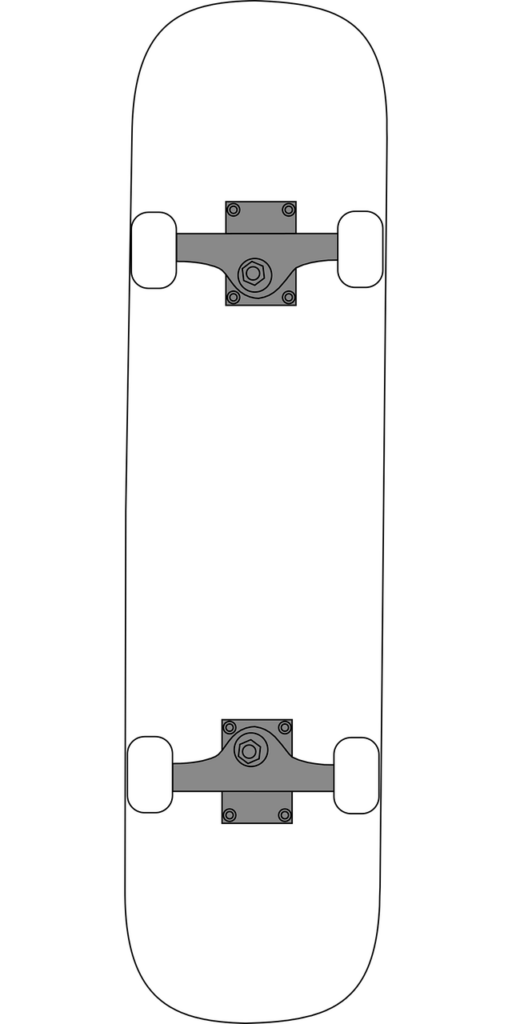
The Full-Body Workout: What Muscles Does Skateboarding Target?
You know what’s funny? When I first started teaching skateboarding at the local youth center, parents would always ask if their kids would get enough exercise. After years of skating and studying its effects on the body, I can tell you – skateboarding is basically a gym session on wheels!
Let me break down what really happens to your body when you’re skating, based on what I’ve experienced and observed over the years. First up, those legs – oh boy, do they get a workout! Every time you push your board, you’re essentially doing a one-legged squat. I discovered this the hard way when I first started skating longer distances. My quads were on fire the next day!
Your lower body really is the star of the show here. Those quadriceps are working overtime, especially when you’re pushing uphill or landing tricks. The hamstrings and calves? They’re like your built-in shock absorbers, engaging every time you land or pump through transitions. And don’t even get me started on what skating does for your glutes – they’re crucial for maintaining stability and power through every movement.
Here’s something that surprised me during my teaching years: skateboarding works your core in ways that even dedicated ab workouts don’t match. Think about it – you’re basically doing a constant balancing act. Your abs and obliques are firing non-stop to keep you centered on that board. One time, after teaching a beginner’s class how to pump in a mini ramp, I noticed my core was more sore than after my regular workout routine!
The upper body involvement is sneakier, but it’s definitely there. When you’re winding up for tricks or throwing your arms out to maintain balance, you’re engaging your shoulders, arms, and back muscles. Street skaters especially get an intense upper body workout – all that popping and catching the board really works those shoulders and arms.
Let me share a cool discovery from my years of teaching: different skating styles target different muscle groups in unique ways. Here’s what I’ve observed:
Street Skating:
- Heavy emphasis on explosive leg power
- Lots of upper body engagement for trick control
- Core gets an intense workout from constant direction changes
Bowl/Ramp Skating:
- Deep knee bends work those quads extra hard
- Back and shoulder muscles engage more for pumping
- Calves get super strong from maintaining edge control
Cruising/Transportation:
- Sustained leg workout, especially the pushing leg
- Core stability from constant balance adjustments
- Lower back strength develops from maintaining posture
One of the most underrated aspects of skateboarding is how it develops those smaller stabilizer muscles throughout your body. These are the muscles that help with balance and coordination – things you didn’t even know you had until skating revealed them! I’ve seen complete beginners develop noticeably better balance in just a few weeks of regular skating.
The cardiovascular benefits are no joke either. During an average session, my heart rate typically stays in the same zone as a moderate jog. On more intense days, especially when I’m practicing new tricks or skating bowls, it can spike up similar to sprint intervals.
Want to maximize your full-body workout while skating? Here are some tips I’ve learned:
- Switch up your pushing leg occasionally to balance muscle development
- Practice tricks that require full body rotation to engage more muscle groups
- Include both uphill and flat ground skating in your sessions
- Don’t forget to stretch – skating uses muscles in unique ways
- Mix up your skating styles to target different muscle groups
What’s really cool about skateboarding is that it builds functional strength – the kind that actually helps in real life. The balance and coordination you develop translate into better performance in other sports and daily activities. I’ve had students tell me their basketball game improved after taking up skating!
Remember, like any exercise, consistency is key. You won’t build Superman muscles overnight, but regular skating will definitely improve your overall strength and fitness. Plus, it’s way more fun than staring at yourself in the gym mirror!
Skateboarding vs. Traditional Cardio: Which Burns More Fat?
Let me share something that completely changed my perspective on exercise. After years of forcing myself to jog and feeling miserable about it, I discovered that skateboarding wasn’t just more fun – it was actually a killer workout that helped me shed those stubborn pounds!
I remember the exact moment this hit home. I was tracking my calories burned during different activities, and I was shocked to see that an hour of skating was burning 300-500 calories – pretty much in the same ballpark as my dreaded running sessions! But here’s the kicker: I actually looked forward to skating, unlike those morning jogs that felt like pure torture.
Let’s talk real numbers here. From my experience tracking both activities, a good skateboarding session burns significantly more calories than walking (which only burns about 150-250 calories per hour) and comes close to jogging’s 400-600 calories per hour. But there’s a crucial difference that most people miss – it’s all about sustainability.
Here’s what I noticed during my fitness journey: On days when I planned to jog, I’d often talk myself out of it. “It’s too hot,” “My knees hurt,” or the classic “I’ll do it tomorrow.” But skating? I’d find myself grabbing my board at every opportunity, even if it was just to cruise to the store. That’s when I realized – the best exercise isn’t necessarily the one that burns the most calories on paper. It’s the one you’ll actually stick with!
Something really interesting happens when you’re skating that you don’t get with traditional cardio – you naturally end up doing HIIT without even trying. Think about it: you attempt a trick (high intensity), rest for a minute while rolling back (low intensity), then try again. During one of my teaching sessions, I wore a heart rate monitor and noticed this perfect interval pattern forming!
Let me tell you about my knees for a second. After years of running, they were always sore. But when I switched primarily to skating, something surprising happened. While skating definitely has impact (especially when landing tricks), it’s actually been easier on my joints overall. The fluid motion and the fact that you’re not constantly pounding pavement in the same way makes a big difference.
Here’s what really sets skateboarding apart from traditional cardio – the mental engagement. When you’re jogging, your mind often wanders to how tired you are or how much longer you have to go. But when you’re skating, you’re focused on landing tricks, navigating terrain, or just enjoying the ride. I’ve had two-hour sessions fly by because I was so engaged in what I was doing!
Want to maximize fat burning through skating? Here’s what I’ve learned works best:
- Mix up your skating style during sessions (cruise, tricks, hills)
- Aim for at least 45-minute sessions to hit the fat-burning zone
- Include both low-intensity cruising and high-intensity trick attempts
- Stay consistent with 3-4 sessions per week minimum
- Hydrate well – you’re sweating more than you realize!
I’ve found the sweet spot is combining skateboarding with other forms of exercise. Maybe it’s skating three days a week and hitting the gym twice. Or using your board for transportation and doing yoga for flexibility. The variety keeps things interesting and works different aspects of fitness.
Here’s a real-world example that might help: When I started tracking my progress, I noticed I was burning about 2,000 extra calories per week just from skating. That’s roughly half a pound of fat loss potential, just from doing something I loved! And because I actually enjoyed it, I kept at it consistently, which is where the real results came from.
The bottom line? While traditional cardio might burn slightly more calories during the actual workout, skateboarding often leads to better results in the long run because you’re more likely to stick with it. Plus, you’re building strength, balance, and coordination at the same time – try getting that from a treadmill!
Remember, the best exercise program is one that you’ll maintain long-term. If you enjoy skating, you’re more likely to make it a regular part of your routine. And consistent exercise, even if it’s slightly lower intensity, will always beat sporadic high-intensity workouts when it comes to long-term fat loss.
Your Skateboarding Weight Loss Plan: Getting Started
When I first decided to use skateboarding for weight loss, I honestly thought I could just hop on a board and shred calories immediately. That idea lasted about six minutes before I was wheezing, legs shaking, wondering why nobody warns you that pushing a skateboard works muscles you forgot existed. Still, that humbling start ended up teaching me exactly how to approach skating for fitness without burning out or getting hurt.
Choosing the right skateboard matters way more than people think, and I learned that the hard way after buying a street deck because it “looked cool.” Street decks are great for tricks, but for steady movement and burning calories, they can feel twitchy and unstable. I switched to a cruiser at first and later a longboard, and suddenly longer rides felt smoother, easier, and way less exhausting on my joints.
Safety gear is non-negotiable, and yeah I used to roll my eyes at that. One bad wrist fall sidelined me for three weeks, and progress was lost fast. Helmet, knee pads, elbow pads, and wrist guards kept me skating consistently, which is what actually makes weight loss happen.
I didn’t start with tricks or hills or fancy footwork, and that’s a good thing. Most of my early sessions were just pushing, balancing, practicing turns, and learning how to stop without panicking. Those basic skills burn calories quietly, and confidence builds faster than you expect.
Location makes or breaks beginner consistency, trust me on this. Skate parks are fine during slow hours, but smooth parking lots and bike paths became my go-to places. Quiet streets work too, as long as traffic stays predictable and stress stays low.
At first, I thought longer sessions meant better results, which turned out to be wrong. Starting with 20–30 minute sessions felt manageable and left me wanting more instead of totally wrecked. After a few weeks, time naturally increased as stamina improved.
I aimed for three sessions per week, then slid into four or five once skating became part of my routine. Weight loss responded better to consistency than intensity, which surprised me. Some days weren’t pretty, but they still counted.
Warm-ups were skipped early on, and yeah, that was a mistake. Five to ten minutes of ankle rolls, leg swings, and light stretching made everything feel smoother and less painful later. Performance was better, and recovery didn’t feel brutal anymore.
Tracking progress helped more than staring at the scale alone. Fitness apps logged session time, distance, and estimated calories burned, which kept motivation up. Body composition changed even when weight moved slowly, and skate skills improving was its own reward.
I kept a simple notes app documenting what felt easier each week. Better balance, fewer foot stops, longer pushes. That small stuff adds up fast, even if some days progress feels invisible.
Skateboarding for weight loss isn’t about being perfect or fearless. It’s about showing up, staying safe, and letting momentum do its thing. Progress will be messy sometimes, but it works if you stick with it.

Maximizing Calorie Burn: Advanced Skateboarding Techniques for Weight Loss
You know what’s wild? After teaching skateboarding for years, I’ve discovered some seriously effective ways to turn a regular skating session into a fat-melting workout. Let me share some advanced techniques that I’ve developed to maximize calorie burn while still having a blast on your board.
First up, let’s talk about hills – they’re basically nature’s StairMaster! I discovered this gem when I started incorporating hill sessions into my routine. There’s this one steep stretch near my local park that I nicknamed “The Burner.” Pushing up it for just 10 minutes burns as many calories as 20-30 minutes of flat ground skating. The secret? Attack it in intervals – push up, cruise down, repeat. Your legs will feel like jelly, but in the best way possible!
Here’s something most people don’t realize about learning tricks – it’s not just about looking cool. Every time you attempt an ollie, you’re essentially doing a jumping squat. I tracked my heart rate during a trick practice session and found that 30 minutes of consistent trick attempts kept my heart rate in the same zone as a intense cardio workout. Plus, all that jumping and landing really engages your core and leg muscles.
Let me break down my favorite calorie-burning circuit that I teach to advanced students:
- Speed push for 2 minutes (gets your heart rate up)
- 5 ollie attempts (explosive power)
- Manual practice for 1 minute (core engagement)
- Hill climb
- Recovery cruise downhill
- Repeat 3-4 times
Speaking of transition skating – bowls and ramps are absolute calorie-burning machines! During one session at the park, I wore my fitness tracker and was shocked to see I burned over 600 calories in just 45 minutes of bowl skating. The constant pumping motion works your entire body, and the quick directional changes keep your heart rate elevated.
Here’s a pro tip I learned the hard way: if you want to maximize your calorie burn, you need to minimize your rest periods. I used to spend too much time standing around between tricks. Now I keep moving even during “rest” periods by cruising or doing simple flatground maneuvers. This keeps your heart rate elevated and turns your session into more of a continuous workout.
Want to take it to the next level? Try this HIIT-style skating workout I developed:
- 30 seconds of intense pushing (sprint speed)
- 30 seconds of trick attempts
- 30 seconds of casual cruising (active recovery)
- Repeat for 20-30 minutes
For those looking to make skating part of their daily routine, commuting by board is a game-changer. I started skating to work (about 2 miles each way) and noticed two things: my cardio improved dramatically, and I actually started looking forward to my commute! Plus, you’re burning calories doing something you have to do anyway – talk about efficient!
Let me share a mistake I made that you can learn from: trying to go too hard, too fast. When I first started using skating for fitness, I’d push myself to exhaustion in the first 15 minutes. Now I know it’s better to pace yourself and gradually increase intensity. This way, you can maintain a longer session and actually burn more calories overall.
Advanced calorie-burning tips I’ve learned:
- Mix up your pushing stance to engage different muscle groups
- Include both switch and regular stance skating
- Use manual pads and ledges for core-intensive lines
- Practice flowing between tricks without stopping
- Challenge yourself with new tricks regularly to keep your body adapting
Here’s something fascinating about progression in skating: as you get better, you naturally burn more calories. More complex tricks require more energy, and better board control means you can keep moving for longer periods. I’ve seen students who could barely push around the park eventually flowing through complex lines for hours!
Remember to listen to your body though. While skating is generally lower impact than running, attempting high-impact tricks when you’re fatigued can lead to injury. I always tell my students to save their most technical tricks for when they’re fresh.
The key to making this sustainable is to keep it fun while progressively challenging yourself. Set small goals each session – maybe it’s learning a new trick, skating a longer distance, or hitting a new personal best for continuous movement time. These goals keep you engaged while ensuring you’re always pushing your fitness boundaries.
By combining these advanced techniques with consistency, you’ll not only improve your skating skills but also maximize your calorie burn and weight loss potential. Just remember – progression is more important than perfection. Keep pushing yourself, but make sure you’re enjoying the journey!
Conclusion:
So, can skateboarding really help you lose weight? Absolutely! The evidence is clear—burning 300 to 500 calories per hour Beyond the Board while having an absolute blast makes skateboarding one of the most enjoyable ways to shed pounds. But here’s what makes it truly special: unlike running on a treadmill or counting reps in a gym, skateboarding never feels like “work.”
I’ve shown you that with consistent sessions of 30-60 minutes, 3-5 times per week, combined with a sensible diet, you can realistically lose ½ to 1 pound weekly. You’re not just burning calories—you’re building muscle, improving cardiovascular health, enhancing balance, and boosting your mental wellbeing. That’s a pretty incredible package!
Remember, the key to success is consistency, not perfection. Start where you are, wear your safety gear, and progress at your own pace. Challenge yourself with hills, tricks, and longer sessions as you improve. Most importantly, focus on having fun—because when you love what you’re doing, sticking with it becomes effortless.
Ready to trade your gym membership for a skateboard? Your weight loss journey just got a whole lot more exciting. Grab your board, lace up your shoes, and let’s get rolling. Your future, fitter self is waiting at the bottom of that hill!