Introduction:
This is a paragraph.
Did you know that snowkiting can torch up to 500 calories per hour while you glide across snowy landscapes like a winter superhero? If you’re tired of monotonous treadmill sessions and dreary gym routines, it’s time to revolutionize your weight loss journey with one of winter’s most exhilarating sports!
I’ll be honest—when I first heard about snowkiting, I thought it sounded too fun to be effective exercise. Boy, was I wrong! This adrenaline-pumping combination of kiteboarding and skiing or snowboarding isn’t just an incredible adventure sport; it’s a full-body workout that engages your core, legs, arms, and cardiovascular system simultaneously. Whether you’re a fitness enthusiast looking for a fresh challenge or someone who struggles to stay motivated during the cold winter months, snowkiting offers the perfect blend of excitement and exercise that makes weight loss feel less like work and more like play.
In this comprehensive guide, we’ll explore how snowkiting can become your secret weapon for shedding pounds, the science behind why it works so well, and practical tips to get started safely and effectively. Let’s harness the wind and transform your winter fitness routine!
What is Snowkiting and How Does It Work?
Let me tell you about my journey into snowkiting – it’s basically changed how I look at winter sports forever. I still remember standing there in Minnesota, watching these folks literally flying across a frozen lake, thinking “that looks absolutely insane… I have to try it!”
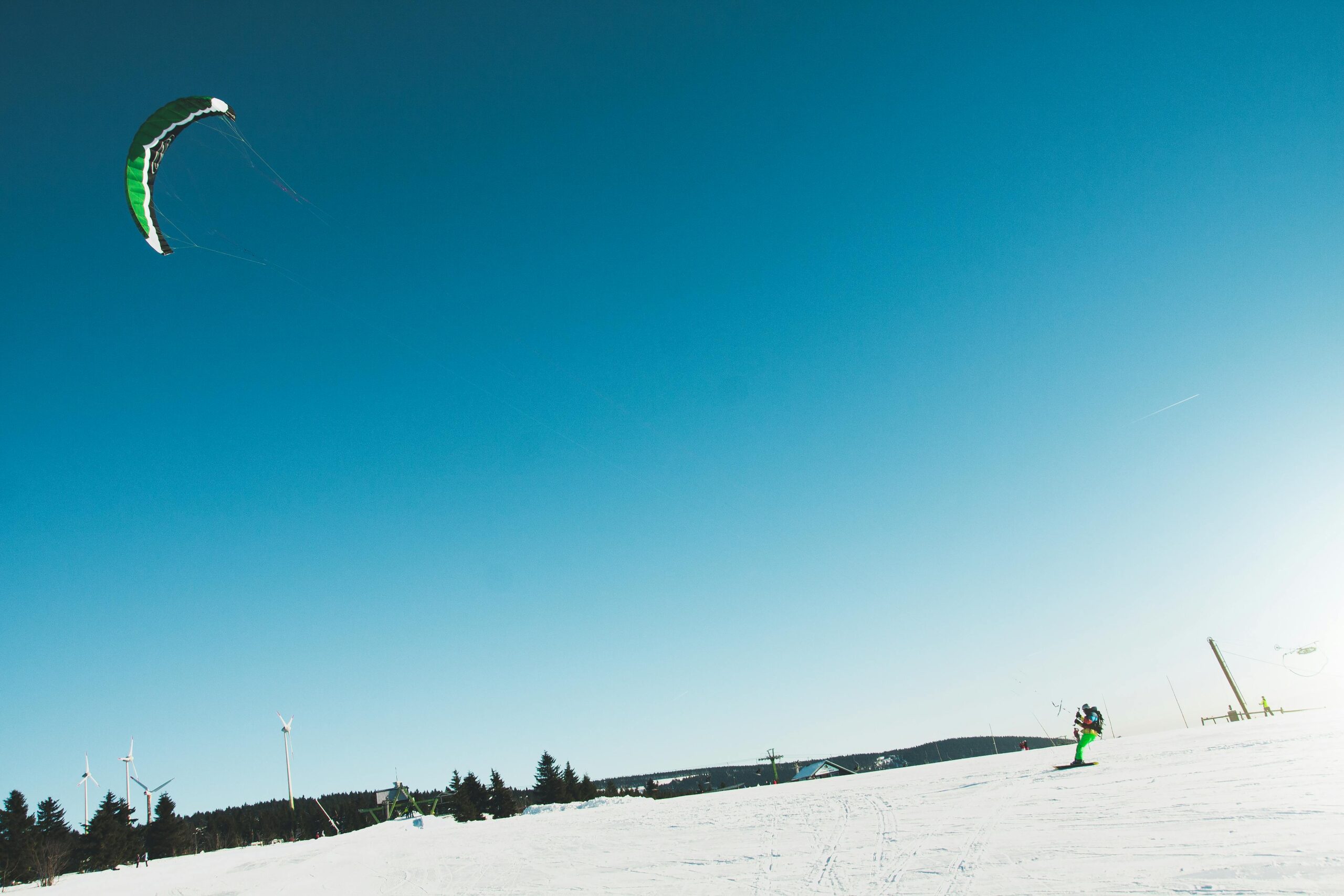
So what exactly is snowkiting? Think of it like kiteboarding’s winter cousin. You’re basically using a large kite to harness wind power while you’re on skis or a snowboard. The sport really took off in the late 1990s when some creative snow sports enthusiasts decided to adapt kiteboarding equipment for snow. I’ve spent countless hours researching this stuff (yeah, I’m kind of a gear nerd).
Let me break down the essential gear you’ll need, because trust me – I learned this the hard way after showing up with the wrong equipment my first time. You’ll need:
- A power kite (4-15 meters, depending on wind conditions and your weight)
- A safety harness (don’t skimp on this – your ribs will thank me later)
- Skis or a snowboard (whatever you’re more comfortable with)
- Warm, windproof clothing (seriously, the wind chill is no joke)
Here’s where it gets really cool – the physics behind snowkiting are pretty fascinating. Unlike regular skiing where you’re limited by gravity and slopes, snowkiting lets you harness wind power to move in any direction. I spent my first few sessions just getting used to the feeling of the kite pulling me across flat ground. It’s wild how you can actually ride UPHILL once you get the hang of it!
The biggest difference from traditional snow sports? You’re not dependent on ski lifts or steep terrain. Some of my best sessions have been on flat frozen lakes or wide-open fields. The kite becomes your personal lift system, pulling you wherever you want to go. And get this – on a good day with steady wind, you can cover way more ground than you would downhill skiing.
One thing that really surprised me was how accessible snowkiting can be for different skill levels. Don’t get me wrong – there’s definitely a learning curve (and my first attempts were pretty hilarious). But if you can already ski or snowboard at an intermediate level, you’re halfway there. The key is starting with a smaller kite in lighter winds and gradually working your way up.
The body mechanics took me a while to figure out. You’re essentially managing two things at once – your edge control on the snow and your kite control in the air. Your lower body works similar to regular skiing or boarding, while your upper body focuses on kite control. The harness takes most of the kite’s pull (thank goodness), so you’re not actually holding all that force with your arms.
Something I wish someone had told me early on: it’s all about reading the wind window. Think of it like a giant dome above and around you – your kite flies within this space. The power zone is right overhead and slightly downwind. When I finally understood this concept, everything clicked. You’ll start to feel when your kite enters different parts of this window, and that’s when you can really start playing with speed and direction.
And here’s a pro tip that took me way too long to learn: start practicing kite control on land before you even strap into your skis or board. I spent two full days just learning to launch, steer, and land the kite. Might sound boring, but it saved me from some potentially sketchy situations later on.
Full-Body Workout Benefits of Snowkiting
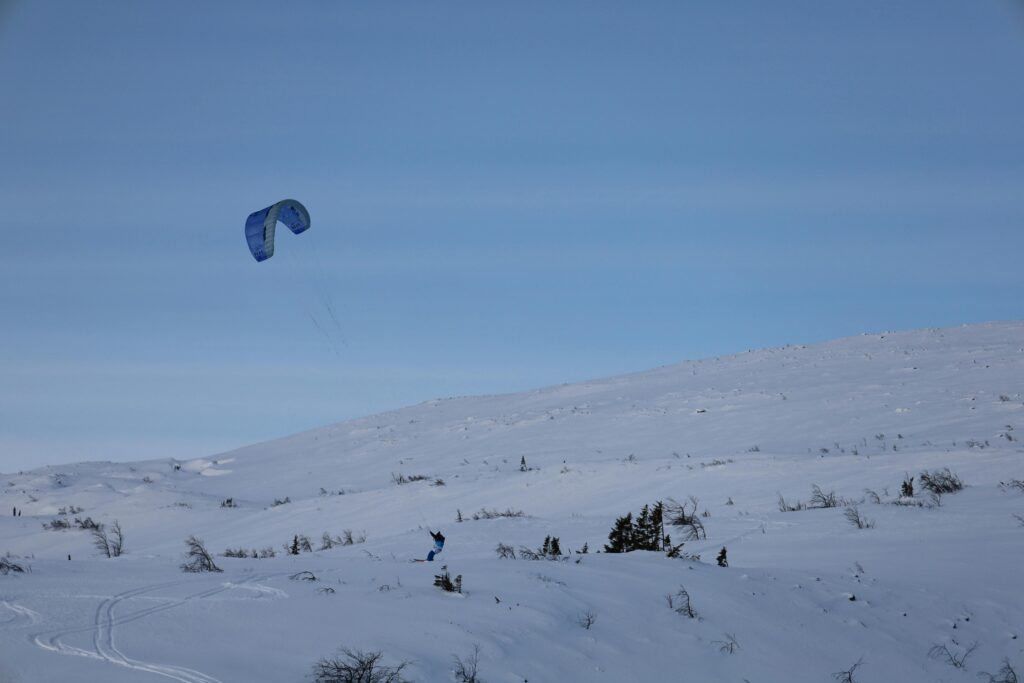
Let me share what I’ve discovered about the incredible workout potential of snowkiting, and honestly, it’s been a game-changer for my winter fitness routine. When I first strapped in, I had no idea I was about to experience one of the most comprehensive full-body workouts of my life!
Speaking from experience (and backed by my trusty fitness tracker), snowkiting torches through calories like nobody’s business. We’re talking about 400-600 calories per hour, and that’s just on a moderate day. On those epic sessions when the wind’s really pumping, I’ve seen my tracker climb even higher. The crazy part? It rarely feels like a “workout” because you’re having too much fun to notice.
Let’s compare this to other winter sports I’ve tried. Traditional downhill skiing usually burns around 300-400 calories per hour, and snowboarding comes in slightly higher. But here’s the kicker – with those sports, you spend a good chunk of your time sitting on chairlifts. With snowkiting, you’re constantly engaged, which keeps your heart rate elevated throughout your session.
I remember my first day switching from regular gym workouts to snowkiting. My body was sore in places I didn’t even know existed! The reason? You’re essentially performing hundreds of micro-adjustments every minute. Your core is constantly engaged as you balance against the kite’s pull, your legs are working to maintain edge control, and your upper body is managing the kite. It’s like combining a stability workout, cardio session, and strength training all at once.
One of the most fascinating aspects I’ve noticed is how wind conditions directly impact the intensity of your workout. On lighter wind days, you might find yourself doing more active work to maintain speed, which is great for endurance training. But when the wind picks up? That’s when you’re really challenging your strength and stability muscles. I’ve learned to check the wind forecast not just for riding conditions, but also to plan the type of workout I’m in for.
Here’s something cool I discovered after tracking my metabolism – the calorie burn doesn’t stop when you unclip from your kite. Thanks to what exercise scientists call the “afterburn effect” (or EPOC – Excess Post-exercise Oxygen Consumption, if you want to get technical), your body continues burning extra calories for hours after your session. This happens because snowkiting involves intense bursts of activity that really challenge your cardiovascular system.
The constant balance adjustments required in snowkiting are no joke. Every time the wind shifts or you change direction, your body needs to respond instantly. This keeps your stabilizer muscles fired up throughout your entire session. I’ve noticed my core strength has improved dramatically since I started – way more than when I was doing regular crunches at the gym.
Let me share a quick tip that revolutionized my sessions: wearing a heart rate monitor helped me understand my exertion levels better. I discovered that my most effective workouts happened when I mixed up my riding style – some speed runs for cardio, followed by technical maneuvers for strength and coordination. This variety not only keeps things interesting but also maximizes the calorie-burning potential.
And here’s something that surprised me – the cold weather actually adds another dimension to the calorie burn. Your body works harder to maintain its core temperature, which means you’re burning extra calories just by being out there. Just remember to fuel properly before and after your session – I learned that lesson the hard way after bonking hard during one of my early rides!
Getting Started with Snowkiting for Weight Loss
After struggling with traditional weight loss methods, discovering snowkiting became my winter fitness breakthrough. Let me walk you through everything I wish I’d known when I first started using this amazing sport for fitness – including some face-plant moments you can hopefully avoid!
First things first: do NOT try to teach yourself snowkiting. I know it’s tempting (especially if you’re already a decent skier), but trust me on this one. Find a certified instructor through organizations like PASA (Professional Air Sports Association) or IKO (International Kiteboarding Organization). My first lesson cost around $150 for a three-hour session, and it was worth every penny. The instructor caught so many potential mistakes before they became dangerous habits.
When it comes to safety gear, here’s what you absolutely need (learned this through some trial and error – mostly error):
- A properly fitted helmet (not your old bike helmet)
- Impact vest or protective padding
- Safety release harness (get familiar with how to use it)
- Two-way radio for communication with your instructor
- Goggles with good peripheral vision
- Cold-weather base layers (cotton is your enemy)
Let’s talk about finding the right spot to learn. The perfect beginner location has these characteristics:
- Wide, open terrain with minimal obstacles
- Consistent wind (8-15 mph is ideal for learning)
- Clear emergency access points
- Packed snow (powder is fun later, but challenging for beginners)
- A designated learning area away from advanced riders
Here’s something nobody told me: your first few sessions won’t look anything like those cool YouTube videos. You’ll spend a lot of time learning kite control on land before even touching snow. My first actual snow session involved basically going in straight lines at low speeds. And you know what? That’s perfectly fine! Building a solid foundation is crucial for both safety and progression.
About the budget – let’s break it down realistically. While you can eventually invest in your own gear (ranging from $1,500-3,000 for a complete setup), I strongly recommend renting equipment at first. Most schools offer rental packages with lessons, usually around $75-100 per day. This lets you try different kite sizes and equipment types before committing to buying anything.
I’ve found the most successful progression plan looks something like this:
- Take 2-3 basic lessons focusing on kite control
- Practice body dragging and basic snow movements
- Master staying upright and controlling speed
- Learn basic turns and stopping techniques
- Gradually increase wind ranges and kite sizes
One mistake I made was trying to progress too quickly. Listen to your body – snowkiting is an intense workout, and proper rest between sessions is crucial for both safety and weight loss goals. I typically started with 1-2 hour sessions, twice a week, gradually building up my endurance.
Here’s a practical tip that made a huge difference: I started keeping a session journal tracking wind conditions, equipment used, and how I felt physically. This helped me identify patterns in my progress and energy levels. Plus, it’s pretty cool to look back and see how far you’ve come!
Remember, weight loss happens when you’re consistent and having fun. The beauty of snowkiting is that it rarely feels like exercise – you’re too focused on improving your riding skills to notice you’re getting an incredible workout. Just make sure to start gradually and always prioritize safety over speed of progression.
Comparing Snowkiting to Traditional Weight Loss Methods
fter years of trying various workout programs and spending countless dollars on gym memberships, I can finally break down the real differences between traditional weight loss methods and snowkiting. Let me share what I’ve learned about both approaches – including some surprising discoveries about long-term success rates.
Let’s tackle the elephant in the room: cost. A typical gym membership runs about $40-60 monthly, adding up to roughly $500-700 annually. My complete snowkiting setup initially set me back about $2,000 (I went mid-range on everything), which seemed steep until I did the math. After two seasons, my per-session cost actually worked out lower than gym visits, especially considering I wasn’t paying monthly fees anymore. Plus, most of my gear has lasted years with proper maintenance.
Time efficiency is where things get really interesting. In the gym, I used to spend 60-90 minutes doing isolated exercises, often feeling like I was just going through the motions. With snowkiting, a 2-hour session absolutely demolishes my calorie-burning goals while working every muscle group simultaneously. The intensity level is just different – there’s no zoning out or scrolling through your phone between sets!
Here’s what nobody tells you about traditional weight loss programs: they can get mind-numbingly boring. I can’t count how many times I’ve started and stopped gym routines out of sheer monotony. But snowkiting? Even after several years, each session feels like a new adventure. The conditions are always different, there’s always something new to learn, and honestly, it’s just pure fun. When’s the last time anyone said that about a treadmill session?
Now, let’s address the seasonal aspect, because this is important. Yes, snowkiting is winter-dependent (unless you’re lucky enough to live near year-round snow). However, I’ve found this seasonality actually helps prevent workout burnout. During warmer months, I switch to kiteboarding or mountain biking, which use many of the same muscle groups and keep my fitness levels up. The variety keeps me engaged and actually improves my overall athletic ability.
The social component has been a game-changer for me. At the gym, despite being surrounded by people, I rarely made meaningful connections. The snowkiting community, though? Totally different story. There’s this incredible sense of camaraderie – everyone remembers being a beginner, and the support is amazing. I’ve made some of my closest friends while waiting for the wind to pick up!
So, who is snowkiting actually right for? In my experience, you’ll likely thrive with snowkiting if:
- You enjoy being outdoors (even in cold weather)
- You’re looking for a challenge beyond repetitive gym routines
- You don’t mind a steeper initial learning curve
- You have access to suitable locations within driving distance
- You’re interested in developing a skill while getting fit
Traditional gym workouts might be better if:
- You need very structured, predictable workout times
- You’re uncomfortable with weather-dependent activities
- You prefer exercising in climate-controlled environments
- You have limited access to snowkiting locations
- You want lower upfront costs
Here’s something surprising I discovered: the people who stick with snowkiting long-term often report better weight loss results than with traditional methods. I think it’s because you’re so focused on improving your riding skills that the exercise becomes secondary – you’re not constantly thinking about burning calories or watching the clock.
One practical tip that helped me transition: I didn’t completely abandon the gym. During the learning phase, I maintained some basic strength training to support my snowkiting progression. This hybrid approach worked great until I built up enough riding proficiency to get full workouts on the snow.
Remember, the best weight loss method is the one you’ll actually stick with. For me, snowkiting turned exercise from a chore into something I literally can’t wait to do. And isn’t that the holy grail of fitness – finding something that keeps you coming back for more?
Year-Round Training for Snowkiting Fitness
You know what’s funny? When I first fell in love with snowkiting, I thought I could just hibernate during the off-season. Boy, was I wrong! Let me share how I’ve developed a year-round training program that keeps me ready for those perfect winter days – and helped me avoid the muscle soreness that used to plague my early season sessions.
The secret sauce to staying snowkite-ready isn’t just hitting the gym – it’s about smart, specific training. During my first off-season, I made the mistake of focusing only on general fitness. When winter came around, I found out that regular workouts hadn’t prepared me for the unique demands of controlling a power kite while riding.
Let’s break down the essential off-season exercises that actually make a difference:
Core Training (Critical for kite control):
- Rotational planks (simulates kite steering)
- Anti-rotation holds
- Standing cable twists
- Swiss ball exercises for dynamic stability
Upper Body Focus:
- Controlled pulling exercises (not just heavy lifting)
- Shoulder stabilization work
- Grip strength training (those kite bars can be demanding!)
- TRX exercises for dynamic movement patterns
One game-changing discovery was practicing with land kites during the off-season. I picked up a small trainer kite (2-3 meter) for about $200, which lets me maintain those crucial kite control skills year-round. The muscle memory you develop with a trainer kite is incredibly valuable, and it’s way less intimidating than jumping right back into power kites after months away.
For cardiovascular fitness, I’ve found that interval training works better than steady-state cardio. Think about it – snowkiting involves bursts of intense activity followed by recovery periods. My favorite routine includes:
- 30-second high-intensity intervals
- 60-second active recovery
- 20-minute total workout time
- 3 sessions per week
Here’s something I learned the hard way: flexibility and mobility work isn’t optional. Tight muscles not only limit your riding but can lead to injury. I now dedicate 15-20 minutes daily to:
- Hip mobility exercises
- Thoracic spine rotations
- Shoulder mobility work
- Dynamic stretching routines
The coolest part about snowkiting fitness is how well it pairs with other board sports. During summer months, I got into kiteboarding, which uses nearly identical kite skills. If you don’t have access to water, wakeboarding behind a boat provides similar edge control practice. Even skateboarding helps maintain your balance and board feel.
One training tip that revolutionized my progression: using resistance bands to simulate kite pull. I attach a band to a fixed point and practice the movements I use while riding. It helps build those specific muscles and movement patterns you need for controlling the kite.
A typical weekly off-season training schedule looks something like this:
- Monday: Strength training with focus on core and upper body
- Tuesday: Cardio intervals + mobility work
- Wednesday: Land kite practice (wind permitting)
- Thursday: Active recovery + flexibility
- Friday: Full-body strength training
- Weekend: Cross-training with complementary sports
Here’s a pro tip about maintaining motivation during the off-season: set specific, measurable goals for each aspect of your training. I track my progress in three areas:
- Strength benchmarks
- Flexibility measurements
- Cardio performance metrics
The mental game is just as important. I spend time visualizing successful rides and reviewing videos from previous sessions. This keeps me connected to the sport even when I can’t be on the snow. Plus, analyzing footage helps identify areas where I need to focus my training.
Don’t forget about recovery – it’s when the real progress happens. I’ve found that active recovery days involving light movement and stretching help maintain flexibility while allowing muscles to repair. Swimming has become my go-to recovery activity because it’s low-impact but maintains fitness.
One last piece of advice: join online snowkiting communities to share training tips and stay motivated during the off-season. It’s amazing how much you can learn from other riders’ experiences, and the shared stoke helps keep you focused on your training goals when winter feels far away.
Conclusion:
Snowkiting for weight loss isn’t just another fitness fad—it’s a transformative way to approach winter wellness that combines adventure, nature, and serious calorie burning! Throughout this guide, we’ve explored how this dynamic sport engages your entire body, torches 400-600 calories per hour, and keeps you motivated through the power of pure exhilaration.
The beauty of snowkiting lies in its dual nature: it’s both an intense workout and an addictive adventure that makes you forget you’re exercising. Unlike dreary treadmill sessions, every snowkiting outing offers new challenges, breathtaking landscapes, and the incomparable thrill of harnessing wind power. When you combine the physical benefits—full-body conditioning, cardiovascular endurance, and core strength—with the mental advantages of outdoor exercise and community connection, you’ve got a recipe for sustainable weight loss success.
Ready to trade your winter hibernation for an adrenaline-fueled fitness journey? Start by finding a certified instructor in your area, investing in a beginner lesson, and experiencing firsthand why snowkiting enthusiasts can’t wait for winter to arrive. Your weight loss goals deserve to be as exciting as they are effective!
Don’t let another winter pass you by—grab a kite, hit the snow, and discover the most fun you’ll ever have losing weight!